
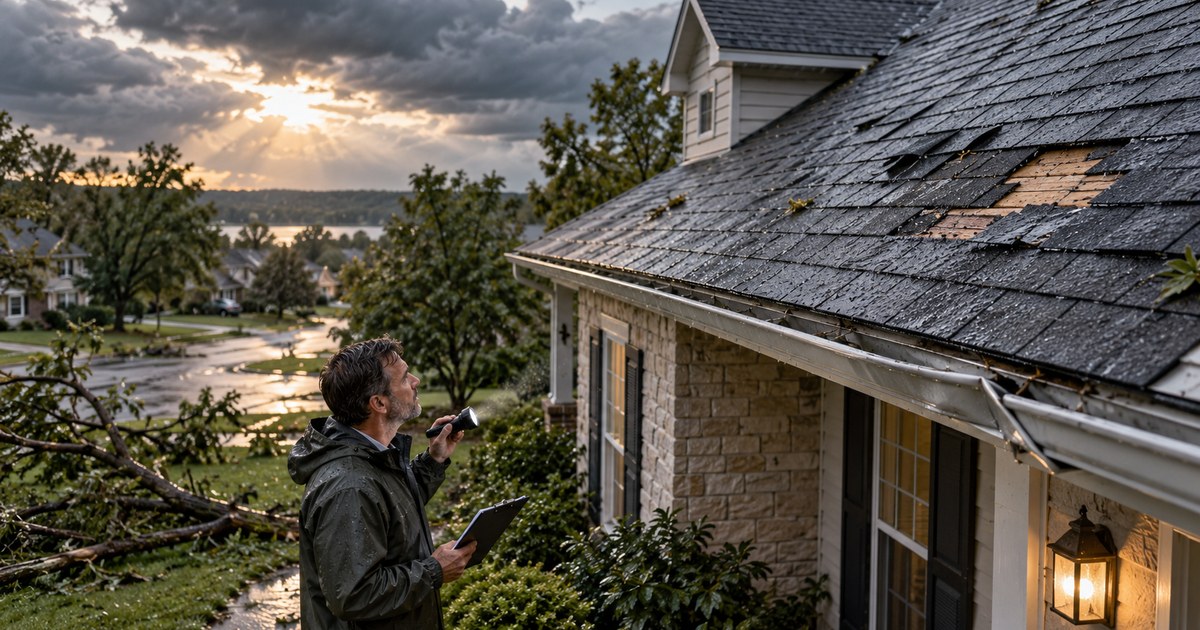
When severe weather sweeps through a region, homeowners typically inspect their property for obvious signs of destruction: shattered windows, downed tree limbs, or missing shingles scattered across the lawn. However, some of the most catastrophic roofing issues remain largely invisible to the untrained eye immediately following a storm. Hail impacts, wind uplift, and subtle flashing displacement can silently compromise a roof's structural integrity, allowing moisture intrusion to deteriorate decking, attic insulation, and interior drywall over time.
Understanding how to identify hidden storm damage, document findings, and partner with certified professionals is vital for protecting property value and ensuring successful insurance restoration. Taking a proactive stance immediately after severe weather events helps property owners mitigate compounding issues and avoid denied insurance claims.
The Subtle Anatomy of Storm Impact
Severe storms create distinct patterns of stress on residential roofing systems, primarily through three interrelated mechanisms:
- Hail Bruising and Granule Loss: Asphalt shingles rely on a top layer of embedded mineral granules to protect the underlying asphalt and fiberglass mat from ultraviolet (UV) radiation. When hail strikes a shingle, it often dislodges granules without breaking through the surface entirely. These subtle "bruises" expose the asphalt mat to rapid UV degradation, causing the material to become brittle, crack, and leak within several months.
- Wind Creasing and Uplift: High wind gusts create localized negative pressure that lifts shingle tabs away from the roof deck. While shingles may settle back into place after the storm passes, the underlying adhesive sealant strip is often broken. In addition, repeated flexing creates horizontal creases near the top edge of the tab, permanently weakening its wind resistance against future storms.
- Flashing and Valley Separation: Metal valleys, chimney flashings, and plumbing vent boots endure severe thermal and aerodynamic stress during heavy storms. Minor shifts in these components allow water to pool along critical roof junctions rather than shedding cleanly toward the gutter system.
Key Signs Homeowners Can Spot from the Ground
Climbing onto a storm-damaged or damp roof poses severe safety hazards and can inadvertently cause further granule displacement. Fortunately, homeowners can safely evaluate potential roof distress by observing key exterior indicators around their property:
- Dented Soft Metals: Inspect ground-level gutters, downspouts, outdoor AC condenser units, metal vents, and mailbox covers. Noticeable dings or dents on these surfaces indicate that hail impact energy was strong enough to damage shingle mats.
- Granules in Downspouts: Excessive accumulation of dark mineral granules washing out of gutter downspouts points to accelerated shingle wear and loss of protective coating.
- Soffit and Ceiling Staining: Check attic rafters, insulation, and upper-floor ceilings for localized discoloration, damp spots, or early signs of mildew growth following rainfall.
Navigating the Inspection and Insurance Claim Process
When storm impact is suspected, taking swift and structured action prevents secondary interior damage and simplifies insurance claims:
- Perform Immediate Photo Documentation: Capture clear, date-stamped photos and video recordings of any visible exterior distress, gutter debris, fallen branches, and interior moisture spots before cleanup begins.
- Schedule an Expert Roof Assessment: Partner with local specialists who specialize in storm restoration. Working with a verified contractor—such as Storm Choice Roofing & Construction—ensures your property receives a comprehensive multi-point diagnostic inspection, identifying hidden structural flaws and providing transparent documentation needed for insurance claim navigation.
- Engage Your Insurance Adjuster Early: Most homeowner policies impose strict filing deadlines following major weather events. Having an experienced roofing professional present during the adjuster’s on-site visit ensures that all subtle impact zones are properly cataloged on the scope of loss.
Long-Term Value of Proactive Maintenance
Addressing storm vulnerabilities promptly prevents minor shingle creases and micro-fractures from escalating into expensive structural repairs and hazardous mold remediation. By scheduling regular seasonal inspections with certified local contractors, homeowners safeguard their roof’s lifespan, uphold comprehensive manufacturer warranties, and ensure their home remains resilient against future severe weather challenges.